
<< recipes
Share
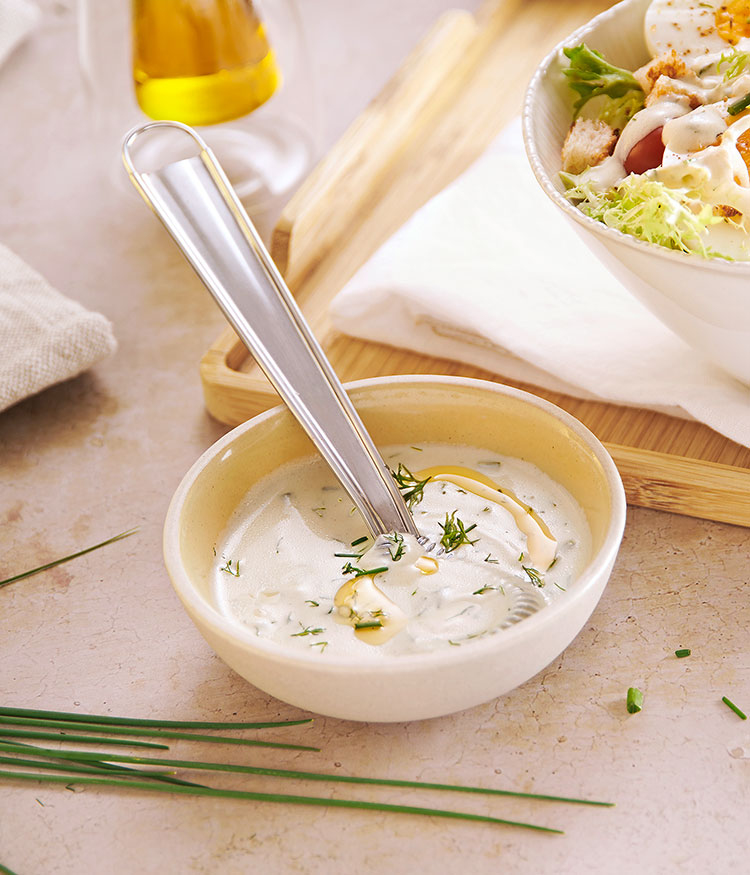
Yogurt sauce for salad
Instructions
- 1. Step 1: Sauce base:
In a bowl, pour the yogurt.
It is what will bring all the sweetness and creamy texture to the sauce.
Simple, but effective! - 2. Step 2: Seasoning:
Add the mustard, olive oil, salt (optional), and pepper. Mix well so that all the ingredients blend harmoniously.
Don't hesitate to taste and adjust according to your preferences. - 3. Step 3: Herbs:
Wash and finely chop the dill.
Incorporate it into the sauce for a touch of freshness and a delicate aroma.
This little extra makes all the difference. It is not mandatory to use only one herb.
On the contrary, mixing parsley, chives, and dill, for example, is entirely possible. - 4. Step 4: Let's eat:
Mix one last time and serve the sauce with a green salad, crunchy raw vegetables, or even homemade croutons.
It's ready!
If you have the opportunity, don't hesitate to prepare this sauce a little in advance so that it is even more flavorful. - 5. Here are some tips and tricks to vary your yogurt sauce and serve it with dishes other than salad.
Variations of yogurt sauce for salad:
- If you are missing mint, no problem, you can easily replace it with basil leaves, coriander, or chives. Depending on the recipes, you can also add a little chopped shallot if you wish, or 1 teaspoon of mustard to flavor your sauce. If you don't have garlic powder, fresh garlic mashed in a smaller quantity can be used.
- This yogurt sauce is ideal for enhancing various salads, such as a Caesar salad, a cold pasta salad with tuna, a Scandinavian salad (smoked salmon, radishes, potatoes), a cucumber salad, or even a Nordic salad (endive, walnuts, apple, Roquefort).
- Ideas for dishes that pair well with yogurt sauce in cooking: yogurt sauce goes well with many dishes, including grilled meats and fish, roasted vegetables (sweet potatoes, eggplants, potatoes...), fish or poultry nuggets, raw vegetables. It can also be used as a spread for sandwiches.
Ingredients for servings
-
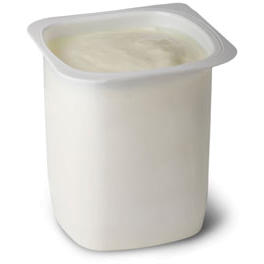 1 cup of yogurt
 -
 ½ lemon juice
 -
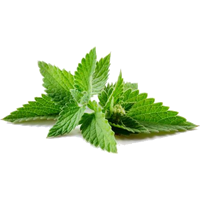 8 leaf of fresh mint (optional)
 -
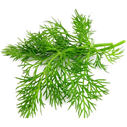 1 pinch of fresh dill (optional)
 -
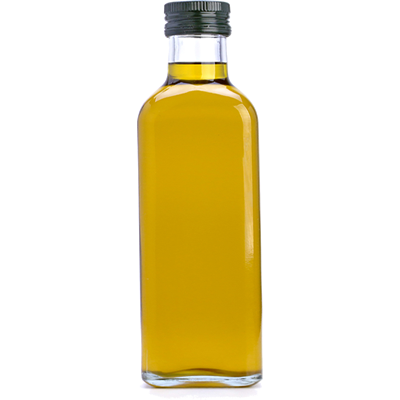 1 tablespoon of olive oil
 -
 1 pinch of garlic powder
Rates
-
No reviews
Nutritional information *
Attention: Nutritional data incomplete. Some ingredients have not been accounted for due to missing data. Check the ingredient list to identify the missing elements.
-
Per serving% RDA
-
Energy value47 kcal2 %
-
Fat3,9 g6 %
-
of which saturated0,83 g4 %
-
Carbohydrates1,24 g0 %
-
of which sugar0,99 g1 %
-
Protein1,28 g3 %
-
Fibers0,05 g?
-
More data
* As an indication, before cooking, RDA of the EU.